Boiler Controls and Zone Heating
For summer settings, timers, thermostats, and zone valves that stick open.
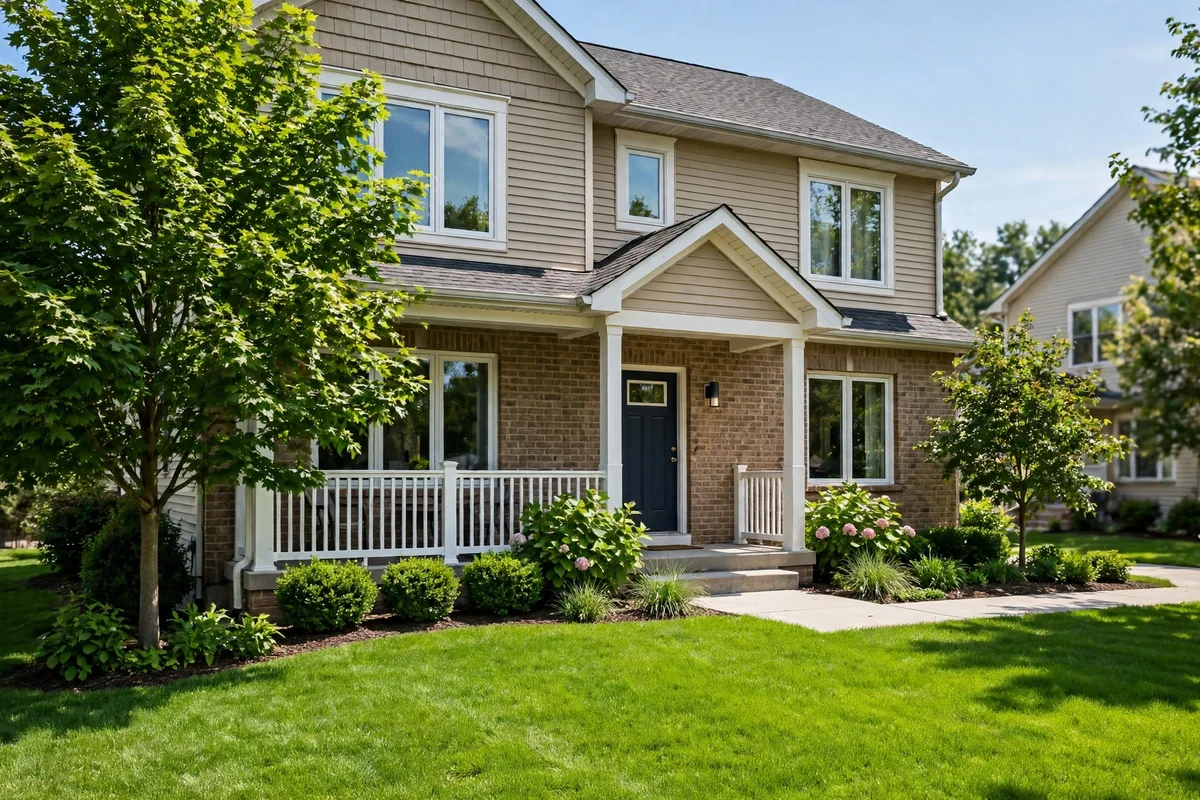
A boiler that fires in July can surprise owners, but summer running is often normal. Learn when it is expected, and when it means something is wrong.
By Boiler Guard Delaware
Hearing a boiler fire on a summer day can worry owners, since heating seems unnecessary in warm weather. In many homes, though, summer firing is normal, because the boiler also heats tap water, or because a cool evening still calls for a little heat. In other homes, summer firing points to a control fault, a stuck valve, or a setting that needs changing. This guide sorts normal summer running from wasteful running, so you know when to relax and when to call.
A summer note on the boiler room door can save confusion later: write down the summer setting for your model, where the heating timer sits, and whether the boiler also heats tap water. That note helps anyone else in the house, and it helps you next year when summer returns and the settings are forgotten. Pair the note with a quick check of the flue terminal for nests in spring, and the boiler will sit through summer quietly, ready for autumn without a surprise.
Delaware summers are hot and humid, so most homes need no room heating for months, and a boiler that heats radiators in July is almost certainly faulty. Humidity adds another factor: damp basements can rust pipes and valves over summer, so a dry, ventilated boiler room matters even when the boiler is idle.
Summer is also the best time for boiler work in Delaware. Technicians have more availability, parts arrive without winter urgency, and a replacement or major repair can be done without a cold house. If your boiler showed faults last winter, or it is due a visit, summer is the calm time to sort it.
If your boiler behaves oddly in summer, or you are unsure how to set it for warm months, call us and describe what it is doing. We will explain the right setting for your model and check anything that looks like a fault, while the weather is still warm. Homes across Delaware can reach us on the number at the top of this page. See also our Boiler Controls and Zone Heating page for details on what that involves.
A boiler that fires often in summer, or runs for long stretches without hot water use, usually has a control or valve fault. A thermostat that reads low, a timer stuck on heating, or a zone valve stuck open can all keep calling for heat in warm weather. Warm radiators in summer point to a valve or control fault.
A boiler that fires and locks out in summer points to a different fault, such as a blocked condensate pipe, a flue problem, or a sensor fault. Summer lockouts deserve the same attention as winter ones, since the fault will still be there in autumn, when the boiler is needed daily. Note any lights or codes on the display and call us.
Constant summer running also wastes fuel and wears parts for no benefit. If your boiler seems to run as much in July as in January, something is wrong, and the cause is worth finding before autumn. A visit can test controls, valves, and settings, and it can set the system correctly for the warm months.
Not sure what your system needs?
Call (302) 291-0790Stand by a radiator when the boiler fires on a summer day. If the radiators stay cool and the firing stops after a few minutes, the boiler was almost certainly heating tap water, whether for a shower, a tap, or a stored tank reheating. If a radiator warms up, or the firing runs long with no tap in use, the heating side is calling, and that points to a timer, a thermostat, or a zone valve that needs attention. Note the time of day and how long the run lasts, since a brief run after morning showers tells a different story from a boiler that cycles all afternoon. That note, plus whether radiators warmed, is the first thing we ask about, and it usually settles whether the boiler is behaving or misbehaving. Our boiler controls and zone heating page explains how timers and zone valves call for heat.
If your boiler heats tap water, leave it on its hot water setting through summer, and turn the heating side off or set it to a low summer mode if your control offers one. That way the boiler fires only for hot water, and radiators stay cool. Check your boiler guide for the summer setting, since controls differ by model.
If your boiler heats only radiators, and tap water comes from a separate heater, you can switch the boiler off for summer, but run it briefly once a month so pumps and valves do not seize. That short run keeps parts moving and reveals any fault while the weather is warm, rather than on the first cold night.
Keep the boiler room ventilated in summer, and do not block air vents to keep the room cool. A boiler room that overheats in summer can affect controls, and blocked vents can starve the burner of air when it does fire. Clear space around the boiler, and check the flue terminal for nests in spring, when birds seek shelter.
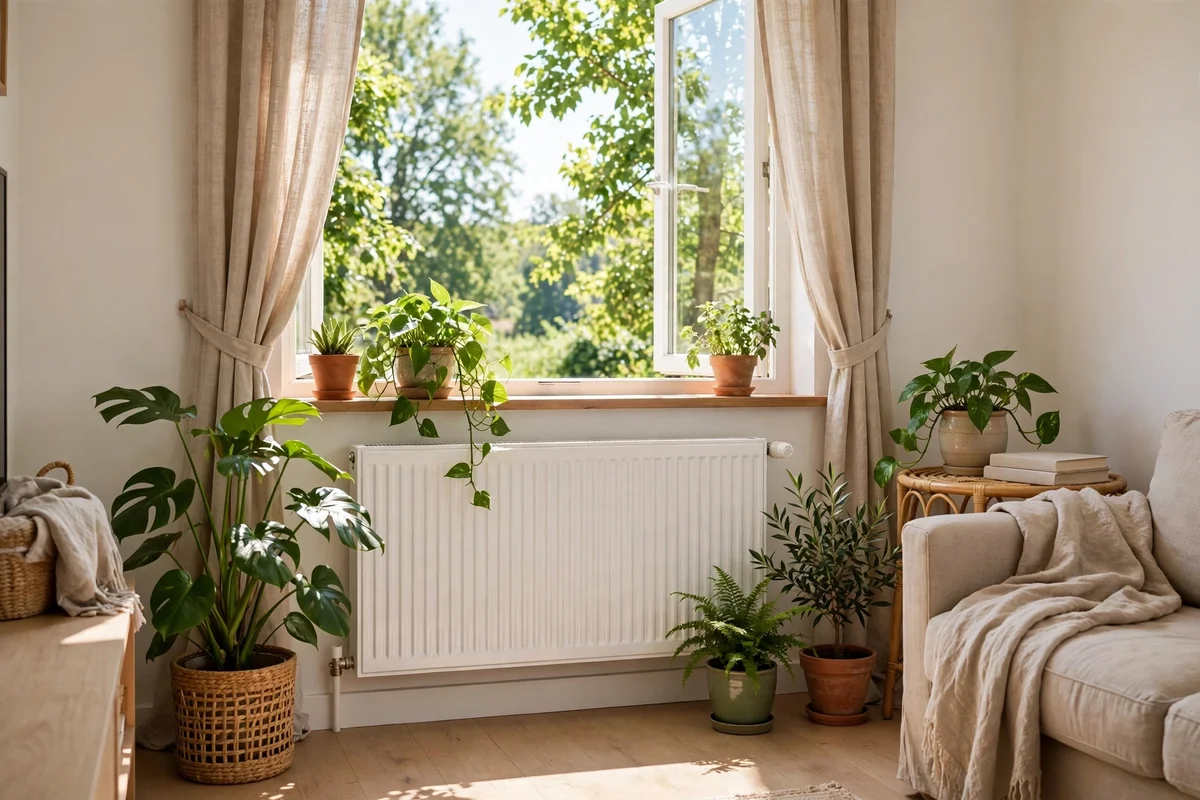
Whether a boiler should run in summer depends on what it does besides heating rooms. A boiler that only heats rooms can rest, while a boiler that also makes hot water must run, and an idle boiler needs its autumn check either way.
| Topic | First side | Second side |
|---|---|---|
| Boiler only heats rooms | Rest through summer, with an autumn check | A pump idle for months can seize on the first autumn call |
| Boiler also makes hot water | Run for hot water, with heating loops idle | The boiler never fully rests, so maintenance covers both modes |
| Indirect tank in the system | Run for the tank through summer | Tank controls and the boiler link both need checking |
| Long summer idleness, any system | Book the late-summer tune-up before October | Stuck pumps and valves are the classic idle faults |
Summer running links to indirect water heater services for tank systems, controls and zone heating for summer setbacks, and yearly maintenance for the autumn check.
Summer settings are easy to forget by autumn, so write them on a card by the boiler: the hot-water-only position for your model, where the heating timer sits, and whether the boiler also heats tap water or a separate heater does that job. A home with a stored tank heats water through an indirect cylinder, while a combi boiler heats it as it flows, and the summer position differs between the two. Note too whether your system runs a short anti-seize cycle, so a brief unexplained run in August does not worry you. Check the flue terminal for nests in spring, keep the boiler room ventilated, and leave air vents clear rather than blocking them to keep the room cool. A boiler that sits quietly through summer, with its settings written down, is ready for the first cold night without a surprise.
The most common normal cause is hot water. Many boilers heat tap water as well as radiators, so the boiler fires whenever a tap runs, a shower is taken, or a stored tank reheats. That firing is brief and purposeful, and it has nothing to do with room heating.
A cool summer evening can also call for heat legitimately. Delaware summer nights can dip enough that a thermostat set for comfort calls the boiler for a short run, especially in older homes that cool quickly after sunset. A brief evening run that stops once rooms warm is normal, and it does not mean the system is faulty.
Some systems also run a short anti-seize cycle in summer, briefly moving pumps and valves so they do not stick during months of idleness. That cycle is short and infrequent, and it protects the system for autumn. Check your boiler guide for whether your model does this, since it explains a brief, unexplained run.
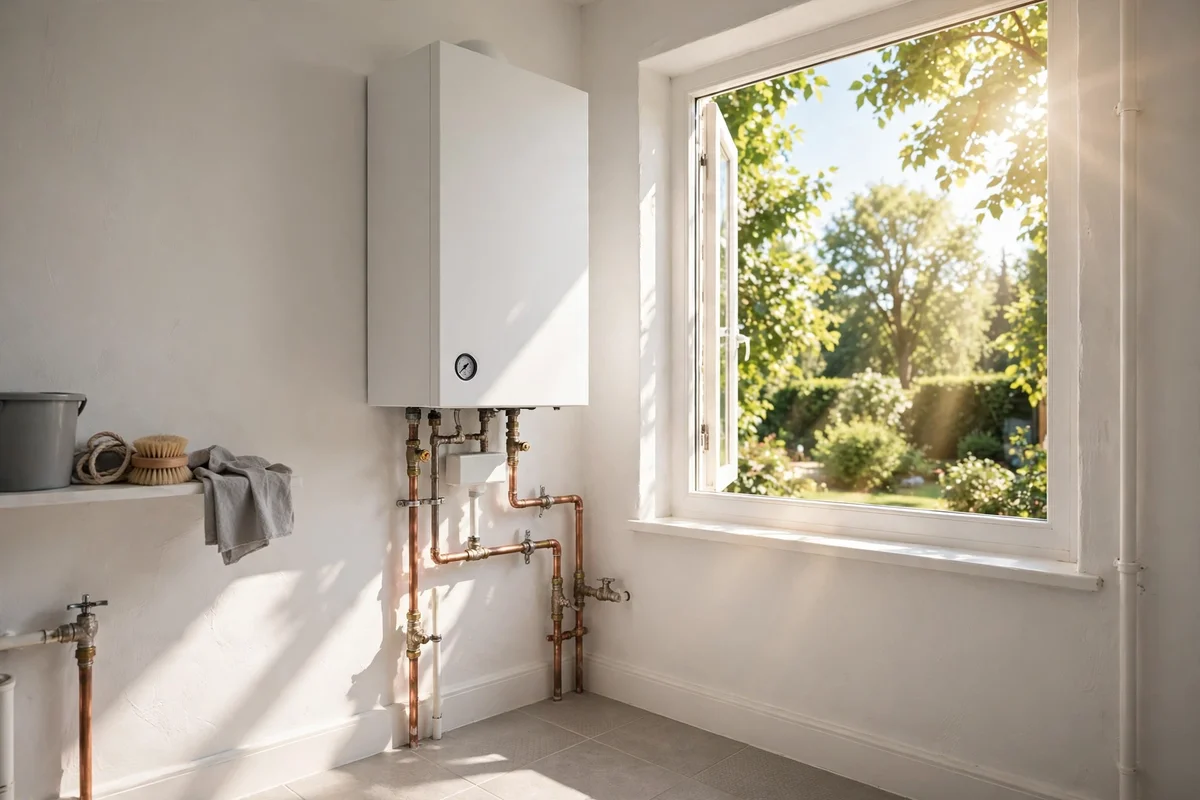
When summer firing deserves a call
Brief firing after a tap runs, or a short run on a cool evening, is normal and needs no action. Call when radiators turn hot in summer, when the boiler cycles all day with no tap use, or when pressure climbs while the heating stays off. Those three signs point to a stuck valve or a control fault, not to normal hot water demand.
It depends on whether your boiler heats tap water. If it does, leave it on its hot water setting and turn the heating side off or to summer mode. If tap water comes from a separate heater, you can switch the boiler off, but run it briefly once a month so pumps and valves do not seize.
The most common reason is hot water, since many boilers heat tap water as well as radiators. A cool evening can also call for a short heat run. If radiators feel warm in summer without any call for heat, or the boiler runs for long stretches, a control or valve fault is likely.
Yes, if it heats only radiators, but run it briefly once a month so pumps and valves stay loose. A boiler left idle for months can seize, and a short monthly run reveals faults while the weather is warm. If your boiler also heats tap water, leave it on its hot water setting instead.
A boiler that heats tap water uses fuel in summer whenever hot water is drawn, since it fires to heat that water. A boiler that heats only radiators, and is switched off for summer, uses no fuel, apart from a brief monthly run to keep pumps and valves moving.
Warm radiators in summer usually mean a zone valve stuck open, a thermostat fault, or a timer stuck on heating, all of which keep calling for heat in warm weather. Check the timer and thermostat settings first, and if radiators stay warm, call us to test the valves and controls.
Summer is an excellent time for a service, since technicians have more availability and any fault found leaves months to fix before winter. An annual visit in summer means the boiler faces autumn freshly checked, without the rush of an autumn booking queue.
Normal summer warmth does not damage a boiler, but a hot, damp boiler room can rust pipes and affect controls over time. Keep the room ventilated and dry, do not block air vents, and check the flue terminal for nests in spring, when birds seek shelter in warm, sheltered spots.
Summer mode, where offered, keeps hot water running while switching room heating off, so the boiler fires only for taps and showers. Controls differ by model, so check your boiler guide for the setting. If your model lacks a summer mode, turn the heating thermostat down and the timer off for heating.
No, radiators only need bleeding when they show cold tops during heating, which summer does not reveal. Bleeding in summer, when the system is cold and still, gives a poor result. Wait until heating resumes in autumn, feel for cold tops, and bleed the radiators that hold air.
Describe what it is doing, and we will explain the right setting for your model and check anything that looks like a fault.
For summer settings, timers, thermostats, and zone valves that stick open.
A summer visit that leaves the boiler ready for autumn, without winter urgency.
When summer firing is hot water work, the tank and coil behind it.
Last updated: October 26, 2026.