Boiler Maintenance and Tune-Up
The annual visit that checks burner, heat exchanger, flue, and safety controls.
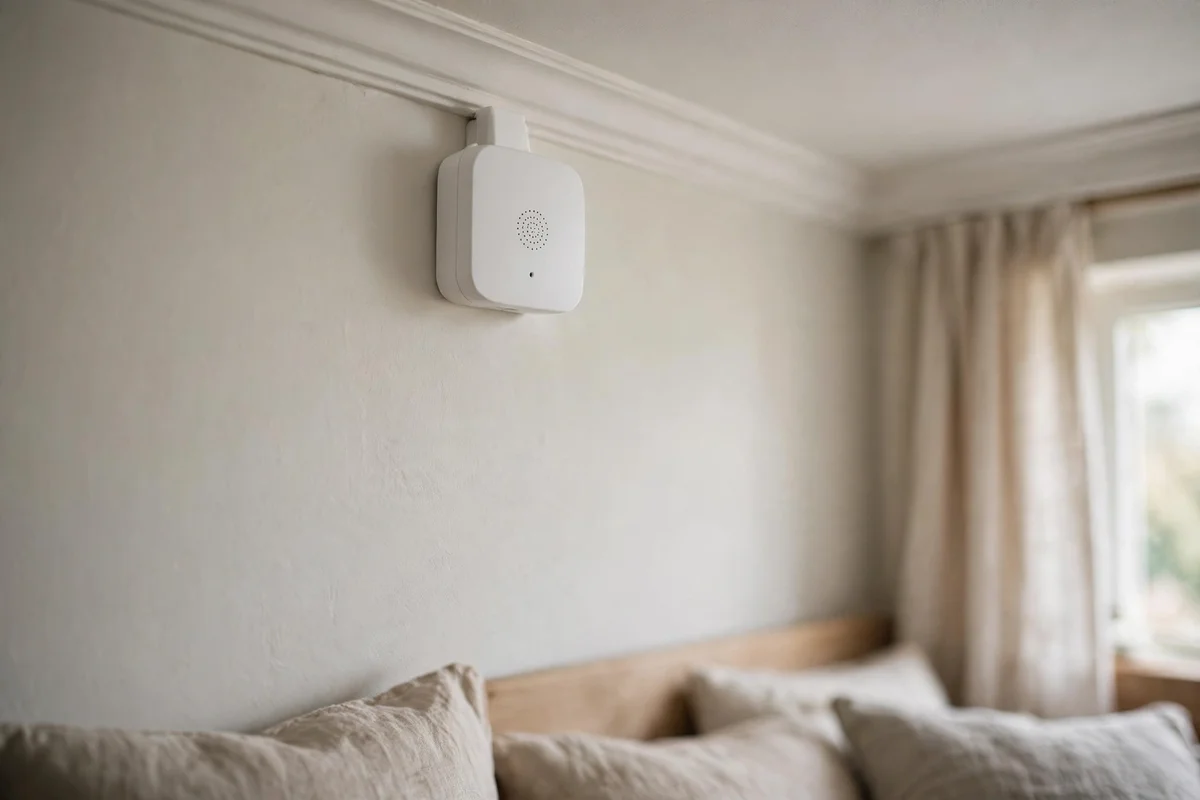
Carbon monoxide is invisible and odorless, and a faulty boiler can produce it. Learn how it forms, and the detectors and habits that protect you.
By Boiler Guard Delaware
Carbon monoxide, often shortened to CO, is a gas you cannot see or smell, and it can be produced when fuel burns without enough air. A boiler that is well kept rarely produces dangerous levels, but a blocked flue, a dirty burner, or a cracked heat exchanger can let CO into the home. Because you cannot sense it, protection rests on detectors, annual checks, and knowing what to do if an alarm sounds. This guide covers all three, in plain terms.
One habit ties this whole guide together: test your detectors on the first day of each month, so testing becomes routine rather than a chore you keep postponing. Pair that test with a glance at the boiler area, looking for water, rust, or a new smell, and you have a monthly safety check that takes two minutes. That rhythm, plus the annual visit, is the backbone of CO protection, and it protects everyone in the home, including visitors who may not know the house has fuel-burning appliances.
Fit carbon monoxide detectors near sleeping areas and near the boiler room, following the maker's guidance for height and placement. A detector in the hallway outside bedrooms wakes sleepers, while one near the boiler catches a fault at its source. Homes with several floors need detectors on each level where people sleep, not just one by the boiler.
Test detectors monthly with the test button, and check their age. CO detectors wear out, and an alarm past its life will not protect you even if it still beeps on test. Replace any unit that is out of date, and note the replacement date when you fit a new one, so the next change is not a guess.
Choose detectors that meet recognized standards, and prefer models with a display that shows low levels, since that can warn you before levels become dangerous. A detector is not a substitute for an annual boiler visit, but it is the safety net that catches what a visit cannot predict, and every fuel-burning home should have one. The U.S. Centers for Disease Control and Prevention publishes guidance on preventing carbon monoxide poisoning, and the U.S. Environmental Protection Agency explains what carbon monoxide is and where it comes from.
Not sure what your system needs?
Call (302) 291-0790Carbon monoxide forms when fuel, gas, oil, or another fuel, burns without enough oxygen. A burner starved of air, a flue blocked by nests or debris, or a heat exchanger that has cracked can all change that burn, producing CO that may spill into the home instead of leaving through the flue.
The danger is that CO gives no warning to the senses. It has no color and no smell, so a home can fill with it while everyone inside feels only a growing headache, dizziness, or nausea. Those symptoms are easy to mistake for flu or tiredness, especially in winter, which is why CO poisoning is so often missed until it becomes serious.
Any fuel-burning appliance can produce CO, not only boilers, so the protection in this guide applies to the whole home. Fireplaces, gas cookers, and water heaters all burn fuel, and each needs its own care and ventilation. A boiler is the focus here because it runs for long hours through winter, when windows stay shut and exhaust faults matter most.
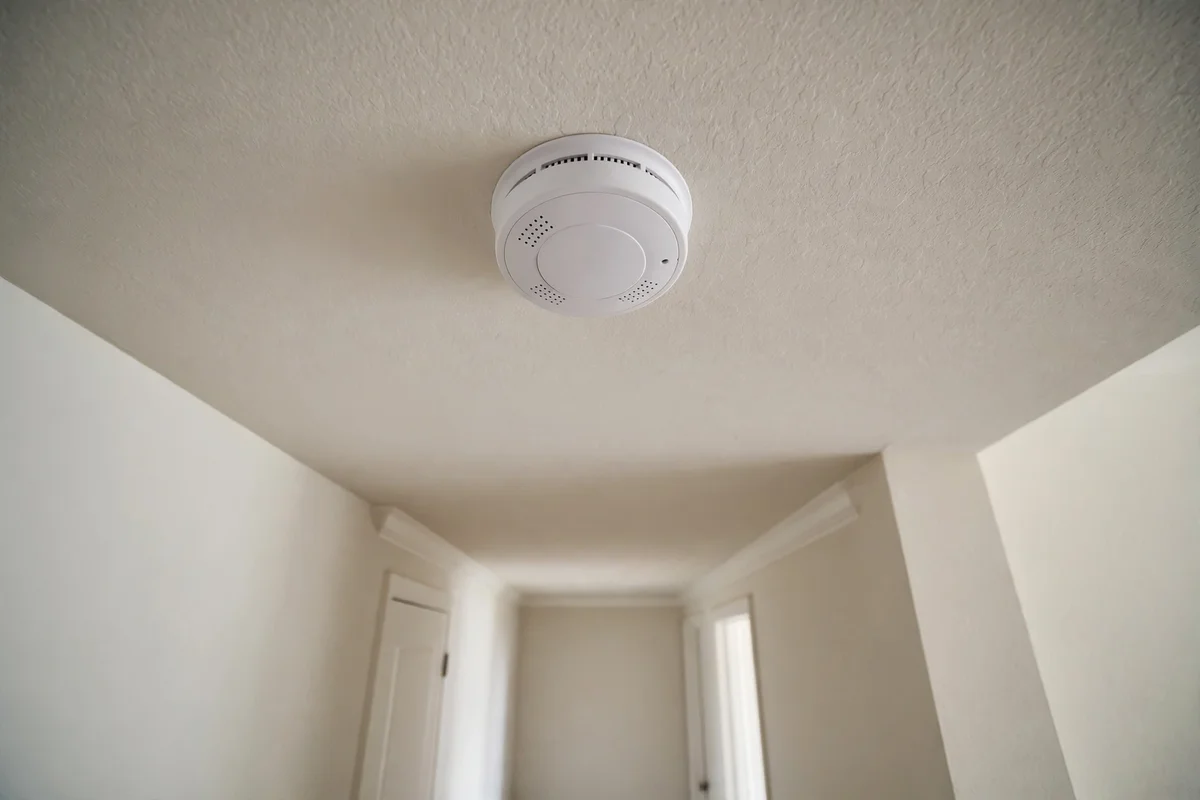
Test each detector with its test button on the first day of the month, and pair that test with a glance at the boiler area for water, rust, or a new smell. Note the expiry date on each detector when you fit it, since a detector past its life will not protect you even if it still beeps on test. Step outside and look at the flue terminal from the ground after storms and in autumn, when nests and leaves can block it, and never block air vents to stop a draft. That short monthly rhythm, plus the annual visit that checks the burner, the heat exchanger, and the safety controls, is the backbone of protection, and it takes less time than the worry it replaces.
Carbon monoxide has no color and no smell, so safety rests on detectors, ventilation, and maintenance rather than on noticing anything. The habits below are the ones that matter, and they cost little.
Safety habits that matter most
Keep a working carbon monoxide detector near the boiler and near sleeping areas, and test it on a schedule. Keep the boiler area clear and ventilated, and never block a vent termination. Book the yearly maintenance visit, since a service visit checks combustion, venting, and controls together. If a detector sounds, leave the house and call from outside.
If a detector sounds, in order:
Detector and safety checks sit inside planned boiler care, and a boiler that stops unexpectedly leads to emergency boiler repair.
| Check | When | What good looks like |
|---|---|---|
| Detector near the boiler | Tested on a schedule | Sounds on test and sits in date |
| Detectors near sleeping areas | Tested on a schedule | Everyone in the house hears it at night |
| Boiler area clear and ventilated | Checked at every visit | Vents open, nothing blocking a vent termination |
| Yearly maintenance visit | Once a year | Combustion, venting, and controls checked together |
| If a detector sounds | At once | Leave, call from outside, do not re-enter until told it is safe |
Book an annual boiler visit, and keep it up without gaps. A visit checks the burner, heat exchanger, flue, and safety controls, and it catches the faults that produce CO before they become dangerous. A boiler that misses years of visits can develop a fault silently, since CO gives no smell or color to warn you.
Keep the flue clear and the boiler room ventilated. Never block air vents or flue terminals to stop a draft, and keep the area around the boiler clear of stored items that could block airflow. Check the flue terminal from the ground after storms and in autumn, when nests and leaves can block it.
If you are unsure about your detectors, your boiler's last visit, or anything in this guide, call us and talk it through. We serve homes and businesses across Delaware, and we would rather check a sound system and fit a detector than respond to an alarm. Prevention is a short conversation and a yearly visit, and it protects everyone in the home. See also our boiler maintenance and tune-up guide for details on what that involves.
Get everyone out of the house at once, including pets, and do not stop to open windows or investigate the boiler. Once outside, call emergency services or the gas company and describe the alarm, and do not go back inside until responders say it is safe.
Do not silence the alarm and carry on, and do not assume it is a false alarm because nobody feels ill. CO affects people differently, and children, older people, and anyone with a breathing condition can be affected sooner. Let responders check the home with proper equipment, and let a technician find and fix the cause before the boiler runs again.
After an alarm, the boiler and flue need a full check before use, even if the cause turns out to be another appliance. A cracked heat exchanger, blocked flue, or failed burner must be found and fixed, not reset and hoped away. Keep the alarm's reading, if it has a display, and tell the technician what it showed, since that detail helps trace the source.
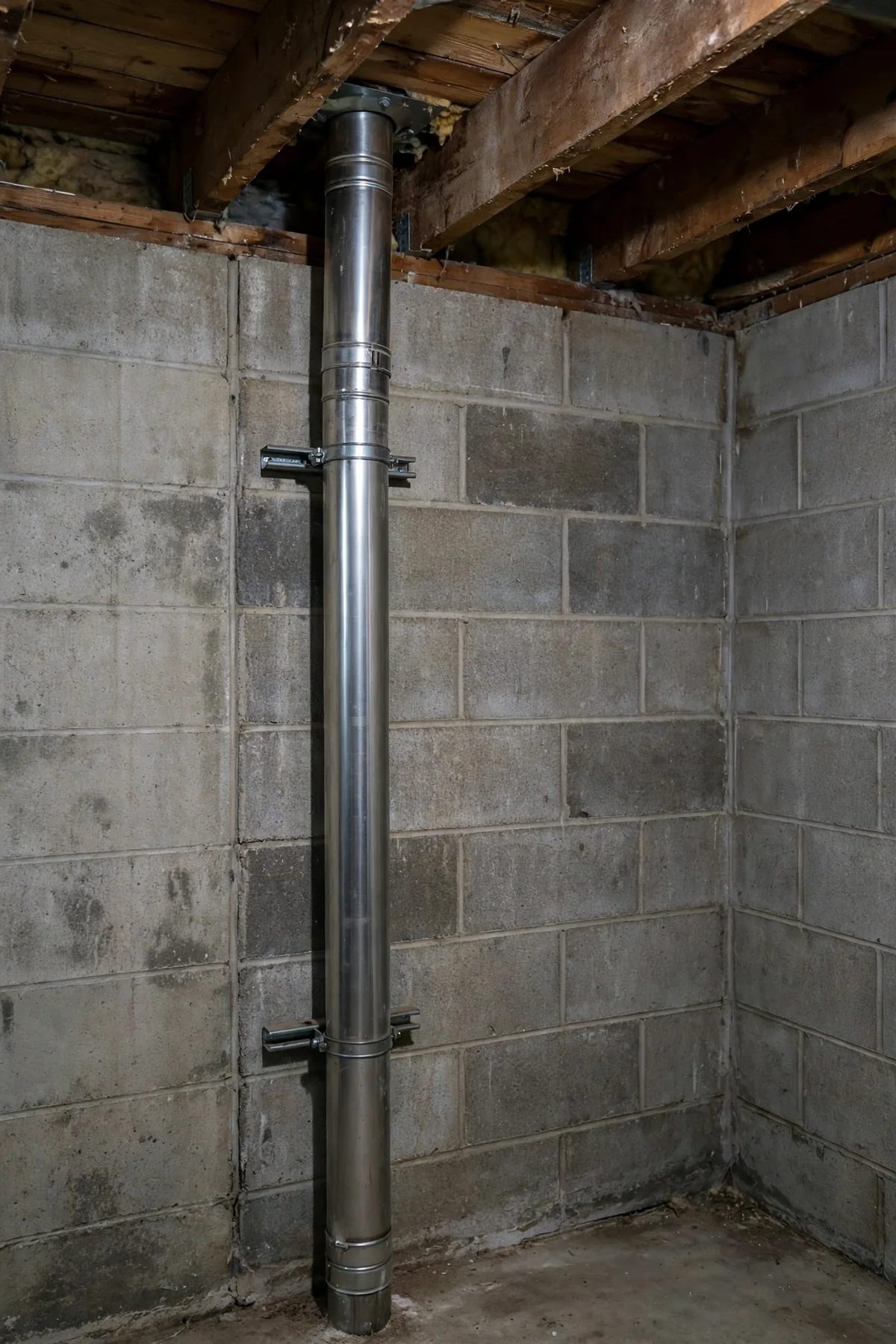
No, carbon monoxide has no smell and no color, which is why it is so dangerous. You cannot rely on your senses to detect it, and symptoms such as headache, dizziness, and nausea are easy to mistake for flu. Working detectors and annual boiler checks are the protection, not smell.
Fit detectors near sleeping areas and near the boiler room, following the maker's guidance, with coverage on each floor where people sleep. A hallway detector outside bedrooms wakes sleepers, while one near the boiler catches a fault at its source. Test them monthly and replace them when they age out.
Early symptoms include headache, dizziness, nausea, tiredness, and confusion, often mistaken for flu. Several people feeling ill at once, or symptoms that ease when you leave the house, point strongly to CO. If you suspect it, get everyone out at once and call emergency services from outside.
A detector that sounds is not a nuisance to silence
A sounding detector means leave the house and call from outside, even if everyone feels fine and the house smells normal. Carbon monoxide has no color and no smell, so feeling fine proves nothing, and silencing the detector removes the one warning the house has.
A boiler produces carbon monoxide when fuel burns without enough oxygen, which can happen with a dirty burner, a blocked flue, or a cracked heat exchanger. A clean, well-tuned burner with a clear flue burns fuel fully and sends exhaust safely outside, which is why annual checks matter.
Yes, every home with fuel-burning appliances needs CO detectors, whatever the boiler's age. A new boiler can still develop a flue blockage or a fault, and a detector is the safety net that catches what a visit cannot predict. Fit detectors near sleeping areas and near the boiler room.
Test detectors monthly with the test button, and replace them when they reach the end of their life, as shown on the unit. An alarm past its life will not protect you even if it still beeps on test, so note the fitting date and replace on schedule, not when the unit fails.
Get everyone, including pets, out of the house at once, and call emergency services or the gas company from outside. Do not stop to open windows or investigate the boiler, and do not go back inside until responders say it is safe. Let a technician find and fix the cause before the boiler runs again.
Yes, a blocked or corroded flue is one of the main causes of CO entering a home, since exhaust that cannot leave through the flue spills indoors instead. Check the flue terminal from the ground after storms and in autumn, and never block a vent or terminal to stop a draft.
Annual servicing greatly reduces the risk, since it checks the burner, heat exchanger, flue, and safety controls, and catches the faults that produce CO. It cannot promise a fault will never appear between visits, which is why working detectors remain essential even for well-kept boilers.
Tell us about your alarms and your boiler's last visit. We will check both and talk through what your home needs.
The annual visit that checks burner, heat exchanger, flue, and safety controls.
After a CO alarm, a technician to find and fix the cause before the boiler runs again.
A different hazard with different actions: gas leak emergency steps.
Last updated: October 26, 2026.