Boiler Replacement
A planned replacement, sized to the home, fitted at a time you choose.
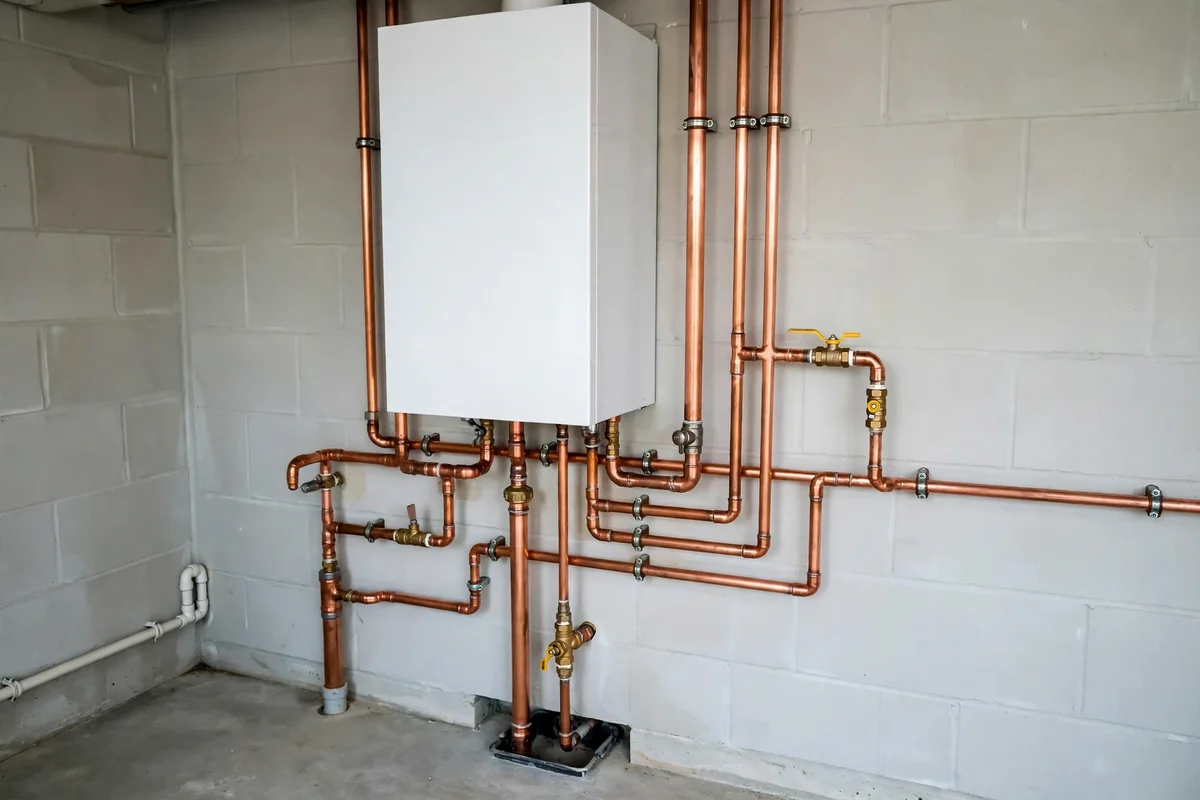
Every boiler owner faces this choice sooner or later. Learn how to weigh repair history, safety, and comfort, and when replacement is the wiser call.
By Boiler Guard Delaware
When a boiler starts failing, the question is rarely whether it can be fixed, since most faults can be fixed, but whether fixing it is still wise. A single repair on a sound system is sensible, while repeated repairs on a failing system throw good effort after bad. This guide gives you a plain framework for the decision, covering repair history, safety, comfort, and parts, so you can choose with confidence rather than under pressure from a breakdown.
It can help to write the decision down as a short list before you call, with one line for each factor in this guide. Note the repairs across the last two winters and whether they held, any safety signs you have seen, which rooms stay cold, and whether parts were hard to find. That list turns a worried feeling into evidence, and it makes the conversation with a technician far more productive. Bring the list to the visit, and ask for an honest view of both options, repair and replacement, with reasons for each. A good technician welcomes that question, since it shows an owner who wants the right answer, not the quickest sale. If the two options look close, ask what would tip the balance in the next year, such as a part becoming unavailable or a safety check failing, so you can plan rather than react. That forward look is the difference between a decision made calmly and one forced by a breakdown, and it is worth the ten minutes it takes to write the list.
Put the four factors together: repair pattern, safety, comfort, and parts. If only one factor points to replacement, repair is usually still sensible. If two or more point the same way, replacement is usually the wiser call, and planning it now beats facing it during a breakdown.
Timing helps too. A planned replacement lets you choose the unit, schedule the work, and prepare the house, while a breakdown forces a rushed choice in a cold home. If the signs point to replacement, starting the conversation in autumn, or at least before deep winter, gives you that calmer path.
If you are weighing this choice, call us and describe the repair history, any safety signs, and how the house heats. We will look at the boiler, the radiators, and the pipework, then talk through repair and replacement honestly, including when repair is still the better call. We will not push a replacement your home does not need. See also our Boiler Replacement page for details on what that involves.
Three questions for the visit
Ask whether the heat exchanger is sound, whether parts are still available, and whether the next repair would change the safety picture. When all three answers are good, repair usually stands. When two point the other way, replacement deserves the serious look, even if the boiler still runs. Those three answers turn a worried feeling into a decision you can explain.
Count repairs across the last two winters, not just the latest one. A boiler that needed one fix in two years is behaving normally, while a boiler that needed three or four visits, especially for different parts, is showing a pattern. Patterns matter more than single events.
Look at whether repairs hold. A fix that lasts the season is a good repair, while a fix that fails again within weeks suggests the real cause sits deeper, such as sludge, corrosion, or a control fault that keeps damaging parts. Repeated failures of the same part deserve a deeper look before another like-for-like change.
Also weigh the disruption. Each repair visit means a cold house, a wait, and a day arranged around a technician. When visits become a regular winter event, the hidden cost in comfort and time grows, and a planned replacement, done at a chosen time, starts to look like the calmer option.
Comfort is a fair part of the decision. A boiler that leaves rooms cold despite repairs, or heats unevenly no matter how radiators are bled, is no longer doing its job. Living with cold rooms through winter is a real cost, and a replacement that restores even heat across the house is worth weighing alongside repair bills.
Running habits change the picture too. An older boiler that runs constantly, or one that needs frequent topping up and bleeding, asks more of its owner every week. A newer system with modern controls can hold temperature more steadily and with less fuss, and that daily ease matters over years of ownership.
Parts availability is the quiet decider. When a boiler's controls, valves, or burner parts become hard to find, each repair takes longer and costs more in waiting time. A system whose parts are scarce is living on borrowed time, and planning a replacement before a part fails outright avoids a midwinter wait.

The decision turns on the pattern of trouble, the state of the whole system, and how the house has changed, weighed together rather than judged on one breakdown or one birthday.
| Topic | First side | Second side |
|---|---|---|
| Recent history | One repair after a long steady run favors repair | Failures every season favor replacement |
| Pressure behavior | Pressure holding through a cold week favors repair | Pressure that will not hold favors replacement |
| Radiators and loops | Radiators in good shape favor keeping the boiler | Widespread scale and worn loops strengthen the replacement case |
| The house itself | An unchanged house favors a like-for-like decision | Additions and insulation change the sizing either way |
The two services behind this decision are boiler replacement and planned boiler care, which inspect the unit and the loops before any choice is made.
If a technician tells you a boiler must be replaced, you are allowed to pause and ask for the reasoning in plain terms. Ask which factor drives the call — safety, parts, comfort, or repair pattern — and what would change if that factor were different. A sound recommendation survives those questions, and a weak one shows its gaps quickly.
A second look is most useful when only one factor points to replacement, when the boiler still heats well, or when the advice came during a stressful breakdown visit. Bring your repair list and the first technician's reasoning, and we will give you an independent view of both options:
Safety settles the decision whenever the boiler body, heat exchanger, or flue is failing. Cracks, heavy corrosion, or a flue that cannot be made sound mean the system should not keep running, even if it still heats. No repair restores a cracked heat exchanger to a safe state, and that fault alone points to replacement.
A carbon monoxide alarm that sounds, or a smell of exhaust near the boiler, also changes the decision at once. Those signs mean exhaust is reaching the home, and the cause must be found and fixed before the boiler runs again. If the cause is a failed core part, replacement is the safe path, not another patch.
Safety controls that keep failing deserve the same weight. A low-water cutoff, pressure relief valve, or ignition control that fails repeatedly cannot be trusted to protect the home, even if the boiler still heats. When safety parts become the repair pattern, replacement protects the household in a way repairs no longer can.
Not sure what your system needs?
Call (302) 291-0790A replacement is also a household project, not just a part swap. Ask what the work involves day by day: how long the heat will be off, which rooms the work touches, what happens to the old unit, and what the new system needs from you afterward. Knowing the shape of the job beforehand keeps a planned replacement calm and a rushed one bearable.
Scope questions matter as much as timing ones. Ask whether radiators, controls, or pipework also need attention, or whether the boiler alone is the job. A clear scope, agreed before work starts, is what keeps a replacement from growing midway through, and it is worth the conversation even when the decision itself feels settled.
Age alone does not settle it. A 20-year-old boiler that heats evenly, passes safety checks, and needs only routine care can keep going, while a younger boiler with constant faults may be finished. Judge by repair pattern, safety, comfort, and parts together, not by the calendar alone.
Usually not, once breakdowns become a pattern. One repair on a sound system is sensible, but repeated visits for different parts show the system as a whole wearing out. At that point, each repair buys only a short stretch, and a planned replacement becomes the calmer and more reliable choice.
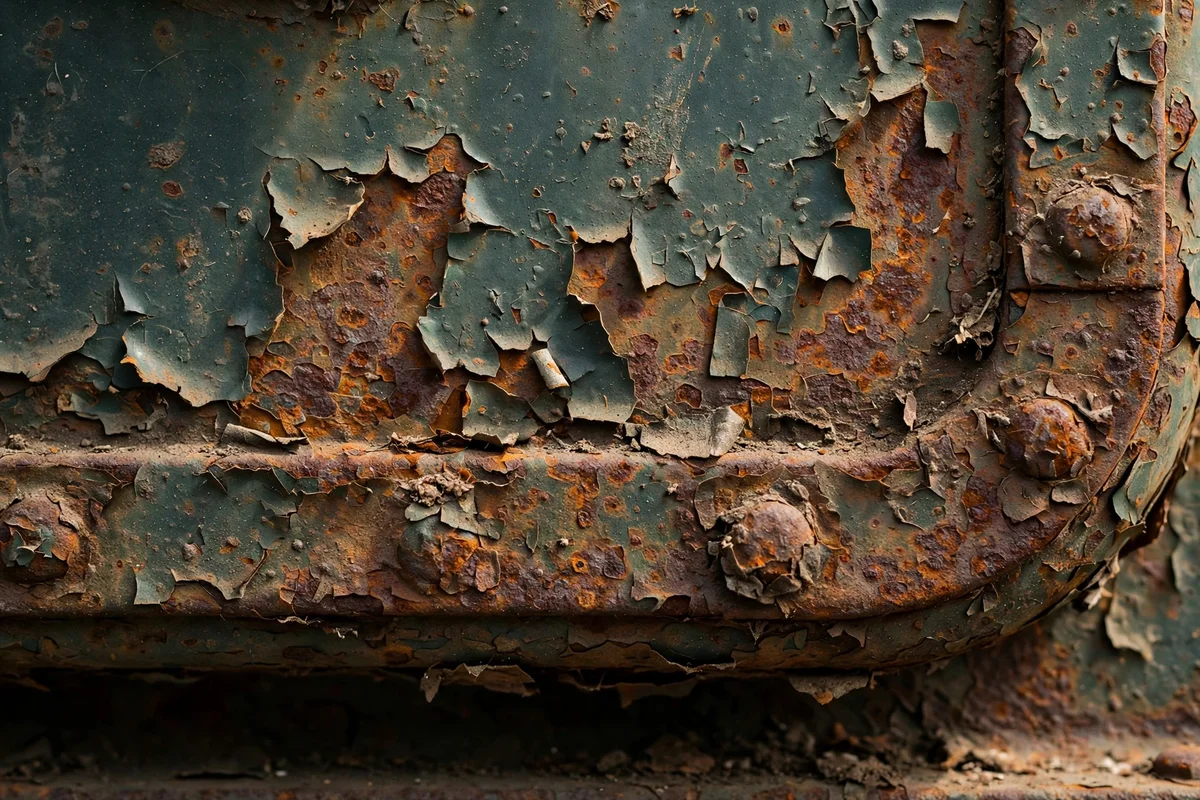
Watch for a carbon monoxide alarm sounding, a smell of exhaust near the boiler, rust stains and damp patches on the unit, or safety controls that keep failing. Any of those means the boiler should be checked promptly, and some mean it should stay off until it is looked at.
Replace when repairs grow frequent, safety parts fail, the heat exchanger or flue is failing, or parts become hard to find. If two or more of those factors point the same way, replacement is usually wiser. A single repair on an otherwise sound system is still sensible.
Yes, when its parts are no longer available, or its core, the heat exchanger or flue, has failed. A boiler can also be too worn overall, when every repair reveals the next fault. At that point, further repairs buy only short stretches, and replacement is the honest recommendation.
Waiting usually costs more comfort and more stress. A planned replacement lets you choose the unit and schedule the work, while a breakdown forces a rushed choice in a cold house. If the signs already point to replacement, starting the conversation early is the calmer path.
A well-sized new boiler with modern controls usually heats more evenly and with less fuss, since it can modulate output and hold temperature steadily. The gain depends on the home too, since radiators and insulation shape comfort as much as the boiler itself.
A technician removes the old unit and disposes of it properly as part of a replacement, including draining the system and handling any oil or gas connections safely. You do not need to arrange disposal yourself, and the new unit is fitted and tested before the old one leaves.
Yes, and it is a sensible step for a large decision. Describe the repair history and any safety signs, and ask for an honest view of both options. A good technician will explain when repair is still the better call, not only when replacement is.
Describe the repair history and how the house heats. We will check the system and talk through both options honestly.
A planned replacement, sized to the home, fitted at a time you choose.
A full check that shows whether the system is sound or wearing out.
What boiler life looks like, and which parts wear out first.
Last updated: October 26, 2026.